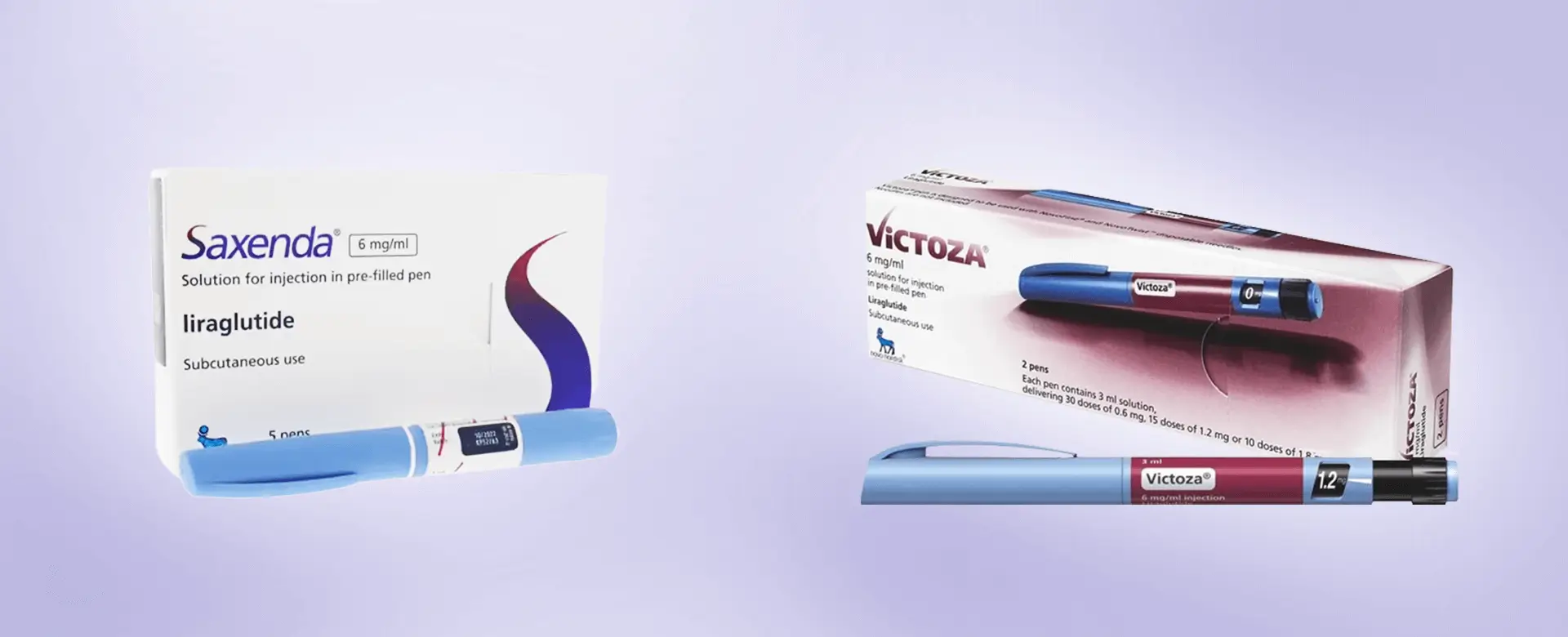
In the realm of pharmaceuticals, understanding the differences between medications can be crucial for making informed healthcare decisions. Two medications that are often compared are Victoza and Saxenda. Although closely related, these drugs serve distinct purposes, each with its unique mechanisms and therapeutic applications. Let's explore the differences between Saxenda vs Victoza to illuminate their roles in healthcare.
Victoza, a brand name for liraglutide, belongs to the class of GLP-1 receptor agonists. Initially developed for the management of type 2 diabetes, Victoza has proven effective in controlling blood sugar levels by stimulating the release of insulin and suppressing glucagon secretion, thus reducing hyperglycemia. Its mechanism of action involves mimicking the effects of glucagon-like peptide-1 (GLP-1), a hormone that aids in glucose regulation and appetite control.
On the other hand, Saxenda, also containing liraglutide, is primarily prescribed for weight management in individuals struggling with obesity or overweight conditions. Despite sharing the same active ingredient as Victoza, Saxenda is formulated at a higher dosage specifically for weight loss purposes. By stimulating GLP-1 receptors in the brain, Saxenda helps individuals feel fuller, thereby reducing calorie intake and promoting weight loss.
| Characteristic | Victoza | Saxenda |
|---|---|---|
| Active Ingredient | Liraglutide | Liraglutide |
| Class | GLP-1 receptor agonist | GLP-1 receptor agonist |
| Indications | Type 2 diabetes | Weight management |
| Dosage | Daily, subcutaneous | Daily, subcutaneous (higher dosage) |
Although both Victoza and Saxenda contain liraglutide and belong to the class of GLP-1 receptor agonists, their approved indications and dosages differ significantly. Victoza is primarily indicated for managing type 2 diabetes, while Saxenda is indicated for weight management. The dosage of Saxenda for weight management is higher than that of Victoza for diabetes management, reflecting their distinct therapeutic purposes.
Furthermore, the administration and monitoring of these medications also vary. Victoza is typically administered once daily via subcutaneous injection to manage blood sugar levels in individuals with type 2 diabetes. In contrast, Saxenda is self-administered once daily via subcutaneous injection for weight management purposes, often as part of a comprehensive weight loss program that includes lifestyle modifications.
In conclusion, while Victoza and Saxenda share similarities due to their common active ingredient, they serve different purposes in healthcare. Victoza is primarily used for managing type 2 diabetes, while Saxenda is prescribed for weight management. Understanding these distinctions is crucial for healthcare providers and individuals seeking tailored treatment approaches. Always consult with a qualified healthcare professional to determine the most suitable medication based on individual needs and medical history.
HGH Sells provides product and pricing information for adults in the United States. Human growth hormone and GLP-1 medications are prescription products. Product information on this website is educational and commercial information and is not a substitute for diagnosis, treatment, or advice from a licensed healthcare professional. Manufacturer names and trademarks belong to their respective owners; HGH Sells is not the manufacturer of the products displayed.


